
COP17 in Yerevan: Turning nature ambition into investable action
When UN Biodiversity COP17 convenes in Yerevan, Armenia, from 19 to 30 October 2026, it will do so amid mounting pressure on the natural systems underpinning economies and societies.



When UN Biodiversity COP17 convenes in Yerevan, Armenia, from 19 to 30 October 2026, it will do so amid mounting pressure on the natural systems underpinning economies and societies.


At Climate Week NYC 2026, participants will come together to find new ways to improve our response to the challenges of our time.

This article explores what greenium is, including its visible and less visible components, and how companies can use it to prioritize and turn sustainability-related value creation into a structural financial advantage.

After 18 months of negotiations, the overhaul of European sustainability reporting is on the brink of completion.

Businesses are entering a new phase of sustainable growth, where scaling AI infrastructure, circular models, low-carbon operations, carbon drawdown, power sourcing, and innovation is becoming central to competitiveness and resilience.


As healthcare systems worldwide confront rising demand, constrained resources, and mounting pressure to meet net-zero commitments, one truth is becoming clear

London Climate Action Week (LCAW) 2026 arrives as ongoing shockwaves are shifting the role of sustainability in the economy and society.



This year, the outlook for critical minerals mining and processing projects has dramatically changed.

Clinical trials, or the study of new tests and treatments for human health outcomes are essential for advancing patient care.

Mandatory due diligence on environmental and human rights violations in the supply chain is on the threshold of expansion in Europe. The EU Forced Labour Regulation (EUFLR) will ban products involving forced labor by the end of 2027.
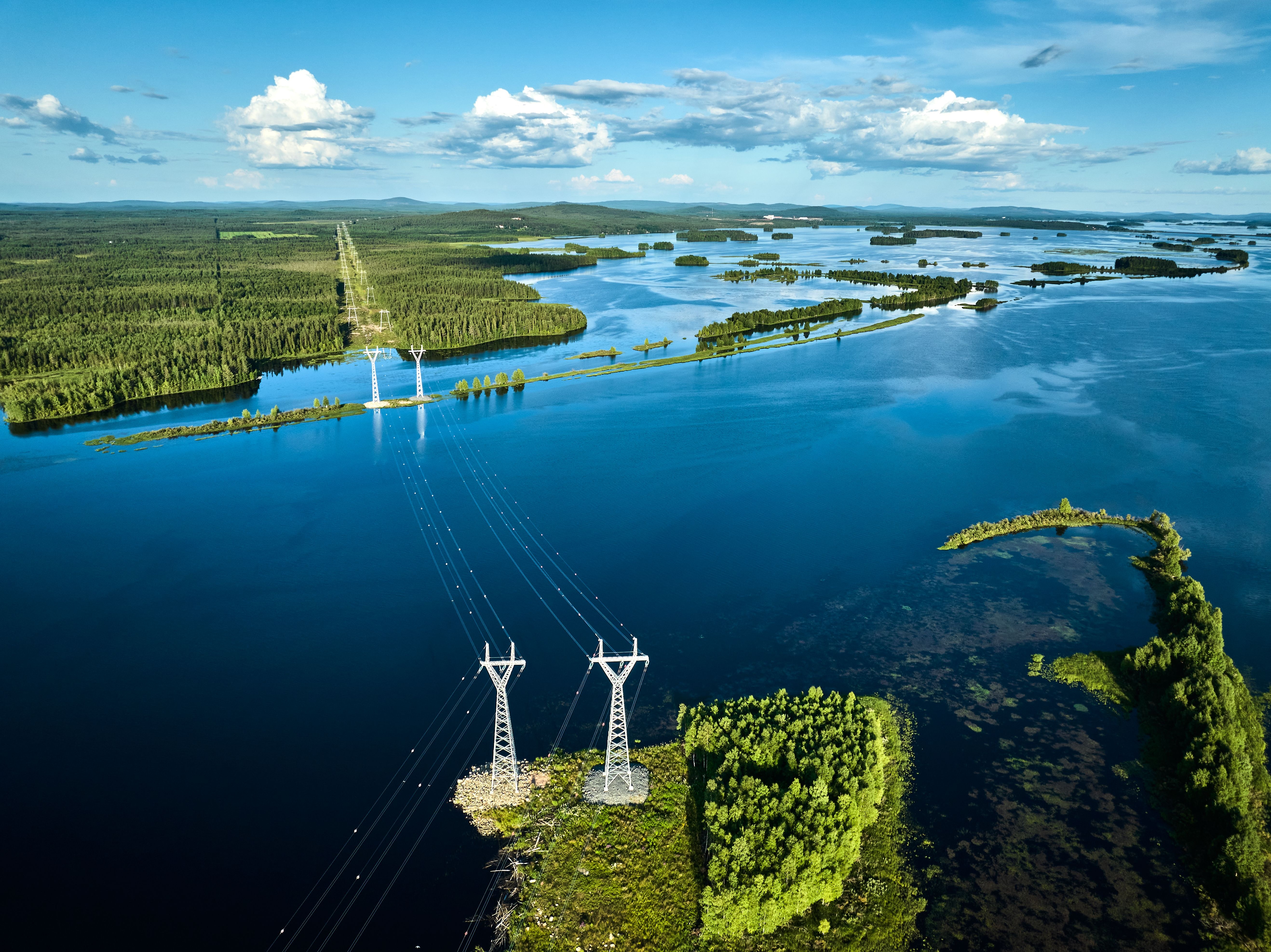
Power, water, materials, and infrastructure, not compute, will determine which companies scale AI successfully and which fall behind. While the focus remains on models and breakthroughs, the real bottlenecks are emerging across the physical value chain that underpins AI.

The ERM Sustainability Institute generates actionable insight that helps companies understand and navigate the risks and opportunities created by the sustainability transformation.