
 View all
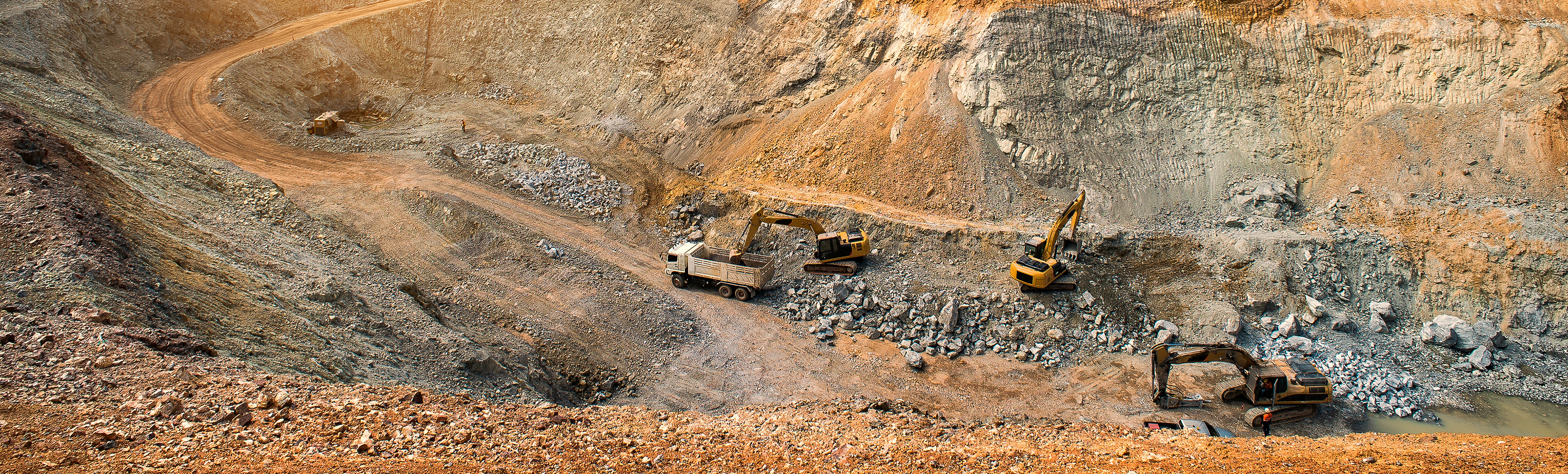
 Australia is at the forefront of the global transition to a low-carbon future. As the world’s largest producer of lithium and a major supplier of other critical minerals — including rare earth elements, nickel and cobalt — the nation’s mining industry is central to driving electrification, renewable energy and decarbonisation. As global demand for energy transition commodities accelerates, Australia’s annual critical mineral production could rise by 50% between 2030 and 2050, reinforcing the sector’s role as a cornerstone of future export growth. At the same time, this strategic advantage brings heightened exposure to climate change risks that threaten both operational continuity and long-term enterprise value.
Climate Change and Intensifying Physical Risks
According to Australia’s National Climate Risk Assessment, climate hazards, including heatwaves, intense rainfall, fire weather and drought, are projected to become more frequent and severe under current emissions pathways. These observed and projected trends underscore the urgency of action.
For critical minerals companies, this evolving climate risk profile is already reshaping operating conditions:
- Cyclone intensity is increasing. Tropical cyclones in the Indian and Pacific Ocean basins are projected to become more intense, move more slowly and shift south, resulting in stronger winds, higher storm surges and heavier rainfall that can damage infrastructure, disrupt operations and delay export movements.
- Extreme rainfall and flooding are becoming more frequent. In northern and eastern Australia, intense short-duration rainfall — capable of overtopping levees, inundating access roads and disabling power supply — is projected to increase as warming accelerates.
- Extreme heat is intensifying. Under a 3°C warming scenario, Australia is projected to experience approximately 14 additional severe heatwave days per year relative to current conditions.
- Water availability is shifting. Critical minerals processing, particularly lithium refining and rare earth separation, requires substantial and consistent water supplies. Altered rainfall patterns and prolonged dry periods in key regions, such as Western Australia’s Goldfields and Queensland’s outback, make water security an ever-present operational risk.
This exposure is not confined to Australia. Recent research from the University of Melbourne examined 1,642 medium and large-scale critical mineral mines and found that by 2050, 90 per cent are projected to face rising temperatures and 94 per cent higher one-day maximum rainfall, increasing exposure to heat stress and acute flooding events.
Together, these trends increase asset vulnerability, accelerate maintenance requirements and elevate downtime risk for critical minerals operations, many of which are located in climatically sensitive, remote areas. The challenge lies not only in the increasing intensity and frequency of disruption, but in the growing volatility and uncertainty of operating conditions.
These physical risks affect not only onsite mining and processing but also the broader value chain, including transport corridors, export infrastructure and energy links, compounding potential financial impacts.
Operational and Financial Impacts on Critical Minerals Producers
The implications of climate change are already playing out in measurable ways:
- Production interruptions: Heavy rainfall and cyclonic events have caused temporary shutdowns and delays in ore processing plants and logistics, particularly in Western Australia’s Pilbara region, where recent cyclones have resulted in the suspension of mining and rail operations and prolonged port closures.
- Infrastructure damage: Roads, rail links, power lines and port facilities are exposed to flooding and wind damage, leading to repair costs and emissions-intensive rebuilds.
- Water scarcity: Lithium and rare earth processing facilities are facing tighter competition for water resources as climatic variability affects availability, prompting higher costs for water security solutions.
- Insurance and financing pressures: Insurers are increasingly pricing climate risk into premiums or excluding high-risk exposures, increasing the cost of capital for projects that lack robust resilience planning.
The financial impact of these disruptions is already material. Extreme rainfall has cost Australian copper mines an estimated $3 billion over the past decade. Without adaptation, projected losses from heavy rainfall alone could rise to approximately $7.5 billion by 2050.
These operational challenges, when translated into financial metrics, can affect valuation, credit ratings and investor confidence, particularly for companies that cannot demonstrate proactive adaptation planning.
Adaptation and Resilience: Turning Risk into Value
The pathway to resilience for critical minerals companies involves both risk mitigation and strategic transformation. Key priorities include:
1. Climate-Informed Site and Logistics Planning
Integrate the latest climate projections — including cyclone tracks and rainfall intensity forecasts — into site design, access planning and long-term capital expenditure decisions. Evaluating multiple climate scenarios allows companies to future-proof assets and key logistics routes against a range of potential outcomes.
2. Water Security Strategies
Develop diversified and sustainable water portfolios — combining groundwater, recycled water and, where appropriate, desalination — to reduce dependency on variable surface water and bolster resilience during dry spells.
3. Infrastructure Hardening
Invest in reinforced structures, elevated roadways, redundant power systems and advanced flood-protection design standards to reduce vulnerability to extreme weather events.
4. Real-Time Monitoring and Analytics
Deploy climate and hydrological monitoring systems tied to operational decision frameworks. Predictive analytics can improve early warning and response, enabling preventative action and avoiding costly interruptions.
5. Transparent Governance and Disclosure
Board-level oversight of climate risk, supported by rigorous governance processes and auditable reporting under AASB S2, not only meets compliance requirements but enhances stakeholder confidence and access to sustainable finance.
6. Strategic Collaboration
Work with governments, research institutions, and local communities to share data, co-invest in regional resilience infrastructure, and align on water management, emergency response and land use planning. Partnering across key logistics and supply chain links will also be critical to strengthening network resilience.
A Resilient Future for Critical Minerals
With mandatory climate reporting under AASB S2 in Australia, companies extracting critical minerals must not only confront evolving physical and transition risks but also articulate their resilience position.
Proactively embedding climate considerations into capital allocation, asset design and supply chain strategy is not just about risk mitigation, it is about protecting margins, stabilising production, lowering cost of capital and safeguarding long-term growth. Resilient operations are more reliable counterparties, more attractive to investors, and better positioned to secure offtake as global demand for critical minerals continues to rise.
In a world accelerating toward electrification and decarbonisation, the winners will be those who treat resilience as value creation. Australia’s critical minerals sector can do more than power the transition, it can strengthen its market leadership by building assets designed to perform in a changing climate. In this context, AASB S2 provides critical miners with a structured framework to assess, demonstrate and strengthen their resilience as part of compliance.